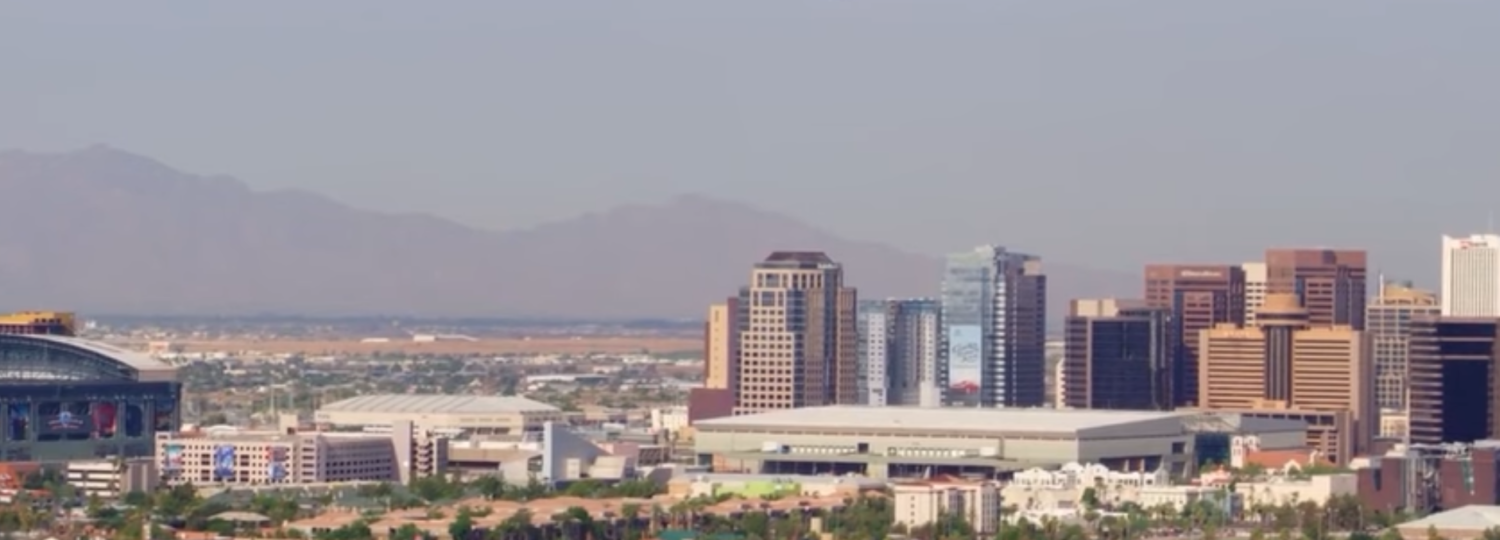
Phoenix, Arizona, has exploded from a dusty desert outpost into a booming metropolis of over 1.6 million people, drawing folks with its sunny vibes, job opportunities, and endless potential. But who are the real trailblazers making this happen? Let’s dive into the stories of the pioneers, politicians, and business whizzes who’ve turned the Valley of the Sun into a powerhouse.
The Founding Fathers: Building Phoenix from Scratch
Picture this: It’s 1867, and the Salt River Valley is bone-dry farmland waiting for a spark. Enter Jack Swilling, the rugged pioneer often called the “father of Phoenix.” This former Confederate soldier and prospector rode into the valley, spotted the fertile soil turned up by his horse’s hooves, and thought, “This could be something big.” He didn’t waste time—he rounded up buddies to form the Swilling Irrigation Canal Company and started digging canals to pull water from the Salt River.
By 1868, water flowed, crops sprouted, and a little settlement popped up called Swilling’s Mill (later East Phoenix). Swilling became the first postmaster when the post office opened that June. But naming it? Credit goes to Darrell Duppa, a colorful character who dubbed it “Phoenix” after the mythical bird rising from ancient ruins—like the nearby Hohokam canals from centuries before. These early folks, including John T. Alsap and Lord Darrell Duppa, laid out the townsite in 1870, selling lots for as little as $48 during the “Great Sale.” Swilling’s vision kicked off agriculture, turning scrubland into farms growing alfalfa, cotton, and citrus.
Without Swilling’s grit, Phoenix might still be a ghost town. His canals echoed the Hohokam people’s ancient system, proving smart water use was key to survival. By 1881, Phoenix incorporated as a city with Alsap as the first mayor, setting the stage for rails, telegraphs, and real growth. These founders weren’t just builders; they were dreamers who bet on the desert and won big.
Political Powerhouses: Leaders Who Secured Water and Deals
Fast-forward to the 20th century, and politics fueled the fire. Arizona Senators Carl Hayden and Barry Goldwater were wizards at wrangling federal bucks. In the mid-1900s, they lobbied hard for the Central Arizona Project (CAP), a massive canal system from the Colorado River. Signed into law in 1968, CAP brought reliable water to Phoenix, quenching the thirst of booming farms and new suburbs. Hayden, “the Senator from Arizona” for 57 years, and Goldwater, the fiery conservative, turned water into the lifeblood of growth.
Theodore Roosevelt deserves a shoutout too. In 1902, he signed the National Reclamation Act, greenlighting dams like Roosevelt Dam (dedicated by TR himself in 1911). This beast controlled floods, powered homes, and irrigated thousands of acres, letting Phoenix shift from risky farming to steady expansion.
Today, Mayor Kate Gallego carries the torch. Elected in 2021 (and reelected since), she’s a sustainability champ who’s supercharged tech and jobs. Gallego sealed the deal for TSMC’s $65 billion semiconductor plants, sparking over $165 billion in investments and thousands of high-wage gigs. She’s also pushed parks, public safety, and a new downtown medical school with Arizona State University, making Phoenix a bioscience hotspot. Her leadership through rapid change has folks calling her a “CNBC Changemaker.” Light-hearted tip: If you’re job-hunting in Phoenix, thank Gallego next time you land a chip-making role!
These politicos didn’t just talk—they delivered infrastructure that let Phoenix skyline soar while keeping the desert livable.
Economic Engines: Business Titans Driving Jobs and Innovation
Phoenix’s real rocket fuel? Economic developers and biz leaders. Christine Mackay tops the list. As City of Phoenix’s Community and Economic Development Director for 11 years (until 2025), she orchestrated over 100,000 high-value jobs, jacking average wages from $30k to $86k, and snagged $75 billion+ in investments. Now President & CEO of the Greater Phoenix Economic Council (GPEC) since October 2025, she’s behind mega-projects like TSMC and the Park Central revival—a mixed-use hub for healthcare and bioscience. Awards? She’s got ’em: USA TODAY Women of the Year, multiple “Economic Developer of the Year.” Mackay’s secret sauce: Building relationships that turn deals into reality.
Tech pioneers laid early groundwork. Motorola planted roots in 1949, becoming the biggest employer and semiconductor kingpin. Intel followed in 1979 with its Chandler campus, Honeywell Aerospace HQ’d here in 1942, and giants like Boeing piled on, thanks to military bases like Luke Air Force Base. These moves created a tech ecosystem that’s still buzzing.
Real estate moguls shape the skyline. Sharon Harper, Chairman & CEO of Plaza Companies, is a trailblazer in healthcare, bioscience, and senior living projects. She’s reshaped the Valley with public-private partnerships. Walt Brown, Jr., of Diversified Partners, is redeveloping Metrocenter Mall and Mesa’s Revel Surf Park, with $4 billion in deals through 2026. Charley Freericks at Howard Hughes oversees Teravalis, a massive West Valley master-planned community blending homes, sustainability, and community vibes.
Ernest Garcia III co-founded Carvana in Tempe, revolutionizing car sales online and boosting Arizona’s e-commerce cred. Developers like ViaWest Group (top-ranked in 2025) have $3.1 billion in transactions, building millions of square feet. Vestar, led by founders Lee T. Hanley and Richard J. Kuhle, crafts shopping centers and mixed-use spots since 1989.
GPEC as a whole is the unsung hero, marketing Phoenix globally and retaining firms like Intel. Their timeline shows 46% population growth and 103% GDP jump in the 1990s alone. These folks spot opportunities—like semiconductors amid global shortages—and pounce, creating jobs in tech, healthcare, and logistics.
Why These People Matter: Growth Stats and Future Wins
Phoenix’s story is their story. From Swilling’s canals enabling 320-acre townsite sales for $550 total, to Mackay’s $190 billion investments, they’ve stacked wins. Population? From 2,500 in 1881 to 1.6 million today, ranking sixth-largest U.S. city. Economy? Semiconductors alone drew $77 billion post-TSMC, with clean energy and EVs joining in. Industrial space leads the nation, per 2025 reports.
Gallego’s coalitions expanded parks and infrastructure, while historical bonds funded Sky Harbor Airport (now top-tier) and the Mountains Preserve. As thousands of people relocate to Phoenix each year, many new homeowners also invest in home lock replacement to improve the security of their property after moving in. Biz lists like AZ Big Media’s “50 Most Powerful” spotlight Harper, Garcia, and Brown as ongoing forces.
Looking ahead, these leaders position Phoenix for more. TSMC’s fabs create workforce needs met by ASU partnerships. Redevelopments like downtown towers promise vibrant cores. Pro tip: Follow GPEC for job leads—they’re the growth whisperers.
Phoenix thrives because everyday hustlers like Swilling and modern maestros like Mackay team up. They’re not superheroes—just smart folks betting on sun, smarts, and strategy. Want to join the boom? Dive in; the Valley welcomes dreamers.